When you own a large rural property, choosing the right fence is about more than marking a boundary. The fence needs to fit the landscape, provide functionality, and maintain the natural character of the property. While there are many options available, split rail fencing remains one of the most popular choices for farms, acreage properties, and country homes.
Its traditional appearance, durability, and ability to cover long distances efficiently make it an excellent solution for large rural properties. Whether you want to define property lines, improve curb appeal, or create areas for pets and livestock, split rail fencing offers a practical and attractive option.
What Is Split Rail Fencing?
Split rail fencing is a traditional fence style made up of horizontal rails supported by evenly spaced posts. Unlike privacy, split rail features an open design that clearly marks boundaries without obstructing views.
It is commonly used for:
- Property boundaries
- Driveways and entrances
- Farms and agricultural properties
- Large residential lots
- Pet areas when paired with welded wire
Its simple design has made it a staple of rural landscapes for generations.
Why Split Rail Fencing Works Well for Large Properties
Large properties often have different fencing needs than suburban homes. Split rail fencing offers several advantages that make it especially effective for rural settings.
It Covers Long Distances Efficiently
One of the biggest benefits of split rail fencing is its ability to cover extensive property lines without creating a closed-in appearance. For homeowners with several acres, it provides a cost-effective way to establish boundaries while maintaining the open feel of the land.
The straightforward design also makes it easier to fence larger areas than many other fence styles.
It Maintains an Open Rural Look
Many rural property owners choose country living because they enjoy wide-open spaces and scenic views. A solid privacy fence can block those views and change the character of the property.
Split rail fencing preserves sightlines while still creating a defined perimeter. It complements fields, pastures, wooded areas, and rolling landscapes rather than competing with them.
It Offers Strong Visual Boundaries
Even though split rail is open, it clearly communicates where property lines begin and end. This helps establish boundaries while maintaining a welcoming appearance.
For large properties, that combination of visibility and openness is often exactly what homeowners want.
Why Locust Posts and Hemlock Rails Matter
The materials used in a fence have a significant impact on its longevity and performance.
At Perry Fencing, locust posts and hemlock rails are often recommended for split rail fencing projects.
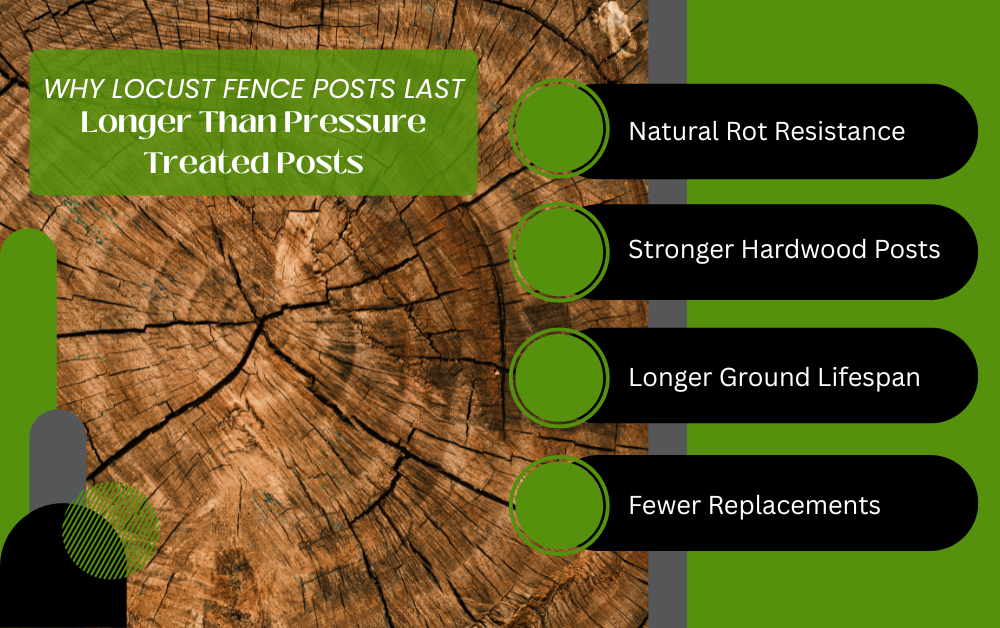
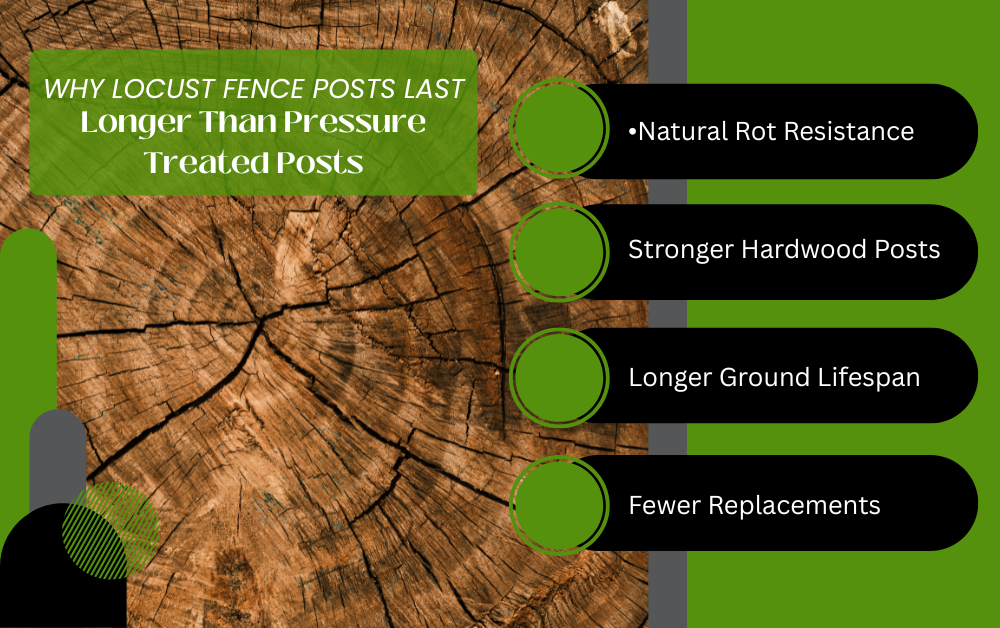
Locust posts are known for their exceptional durability and natural resistance to rot. Because fence posts are constantly exposed to ground moisture, choosing a strong post material can greatly extend the life of the fence.
Hemlock rails provide the classic appearance that many homeowners associate with traditional split rail. Together, locust posts and hemlock rails create a fencing system that is both attractive and built to last.
Should You Add Welded Wire to Split Rail Fencing?
For some property owners, the open design of split rail may not provide enough containment on its own.
Adding welded wire is a popular solution for homeowners with:
- Dogs and pets
- Small livestock
- Poultry
- Areas where wildlife intrusion is a concern
Welded wire can be attached to the inside of the fence without dramatically changing its appearance. This allows homeowners to maintain the traditional look of split rail fencing while increasing functionality.
It is one of the most common upgrades for rural properties where pet containment is important.
Split Rail Fencing vs Other Fence Options
While many fence styles work well in residential settings, split rail fencing offers unique advantages for larger properties.
Privacy fencing provides maximum seclusion but can feel overwhelming across long stretches of land. Chain link fencing offers containment but lacks the natural appearance many rural homeowners prefer. Aluminum fencing delivers a clean and decorative look but is often better suited for smaller areas and front-yard applications.
Split rail fencing strikes a balance between functionality and aesthetics. It works well for long property lines, preserves views, and complements rural landscapes naturally.
What to Consider Before Installing Split Rail Fencing
Before choosing split rail fencing, there are a few factors to evaluate.
Property layout and terrain can affect fence placement and installation requirements. Homeowners should also consider whether pets or livestock need additional containment through welded wire.
Gate placement is another important consideration, especially for properties with multiple access points. Finally, selecting durable materials such as locust posts can help reduce maintenance needs and extend the lifespan of the fence.
Planning ahead ensures the finished fence serves your property well for years to come.
A Practical Fence for Rural Properties
Split rail fencing continues to be one of the best fencing options for large rural properties because it combines durability, functionality, and timeless appearance. It allows homeowners to define boundaries without sacrificing the open character of their land.
When paired with locust posts, hemlock rails, and optional welded wire, split rail fencing becomes an even more versatile solution for farms, acreage properties, and country homes.
If you’re considering fencing for a large property, Perry Fencing can help you choose a split rail fencing solution designed to fit your land, your needs, and your long-term goals.