When temperatures drop and the ground begins to freeze, most homeowners aren’t thinking about their fence. With snow on the way and outdoor projects on pause, it’s easy to assume everything in the yard is resting for the season. But what happens beneath the soil during winter can quietly affect how well your fence holds up.
As moisture in the ground freezes, it expands and shifts, putting pressure on anything anchored in place, including fence posts. Over time, this movement can cause leaning sections, gate issues, and structural stress that becomes noticeable once everything thaws. Understanding what winter does to a fence can help you spot problems early and prevent bigger issues in the spring.
What Is Frost Heave and How Does It Affect a Fence?
Frost heave happens when moisture in the soil freezes and expands. As the water turns to ice, it pushes the surrounding soil upward and outward. This movement may not seem dramatic on the surface, but underground it creates enough force to shift anything that isn’t set deep enough or supported properly.
A fence is especially vulnerable because each post acts like a small anchor in the ground. When the soil expands, it can lift posts slightly out of place. When the ground thaws, the soil settles again, but the post doesn’t always settle with it. Over multiple freeze and thaw cycles, this gradual movement can cause lean, wobbling posts, or slight gaps around the base. The wetter the soil and the more dramatic the temperature swings, the more likely frost heave is to cause noticeable changes in your fence line.
The Most Common Winter Problems Homeowners See in Their Fence
Winter tends to reveal issues that you may not notice during warmer months. One of the biggest signs of frost heave is a fence that begins to lean or look uneven. Even a slight shift in the soil can tilt a post enough to affect the way the entire section sits.
You may also notice small cracks forming around the base of posts, especially if they were set in concrete. As the ground expands and contracts, it can create gaps or fractures that loosen the post over time.
Some of the most common winter symptoms include:
- Posts that wobble or feel loose when pushed
- Gates that no longer latch or swing freely
- Sections of the fence that rise or dip after a freeze
Misalignment is another red flag. If your gate starts dragging along the ground or the latch suddenly doesn’t line up, it’s usually because one or both posts shifted as the soil moved. These changes often start small, but they can grow more noticeable as winter goes on and the freeze–thaw cycle repeats.
Fence Materials and Their Response to Frozen Ground
Not all fence materials handle winter in the same way. While frost heave almost always starts with the posts, the type of fence you have can influence how noticeable the shifting becomes.
Wood Fence
Wood absorbs moisture, so frozen soil can cause the posts to swell, shift, or lift slightly out of place. As temperatures rise and fall, the boards may loosen or gaps may appear. Even small movement can cause a wood fence to lean or look uneven.
Vinyl Fence
Vinyl handles winter fairly well, but very cold temperatures can make the material brittle. If the posts shift, the panels have less flexibility and may crack or pop out of their slots. Misalignment becomes especially easy to spot with vinyl because everything is designed to fit snugly.
Aluminum Fence
Aluminum is strong and weather-resistant, but it still relies on solid, unmoving posts. When the ground expands and contracts, the posts can tilt or rise, causing the panels to look uneven or feel loose even though the material itself is unaffected.
Chain Link Fence
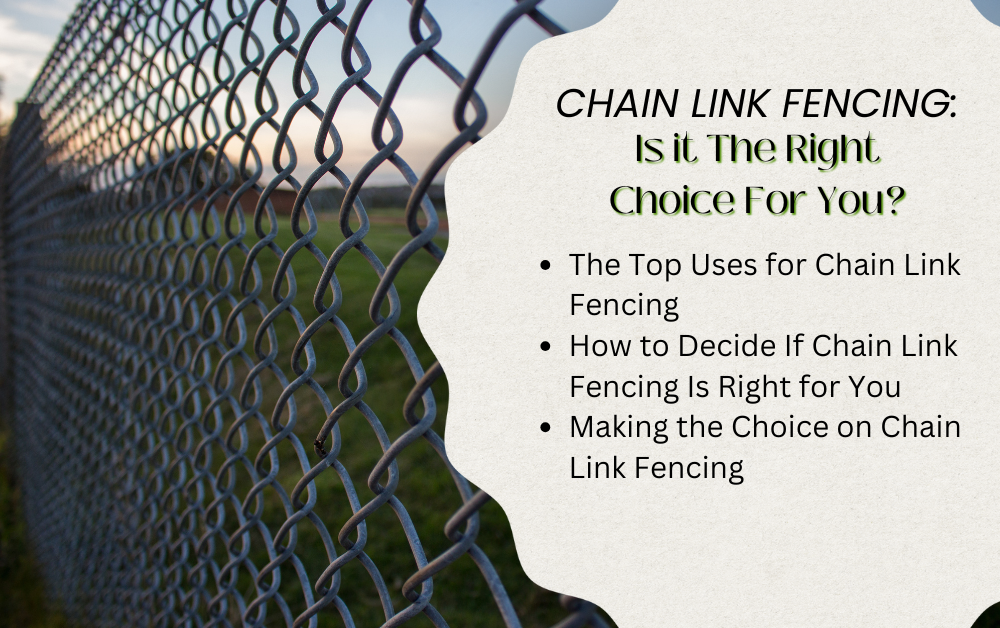
Chain link is the most forgiving style. The mesh can flex without damage, but frost heave can still make the posts wobble or create a wavy fence line. If the posts move enough, the tension can change and cause sagging.
If you notice any of the following signs, the material may be reacting to the shifting soil:
- Panels that no longer line up correctly
- Gaps appearing between boards or pickets
- Sections that look uneven after the ground thaws
Recognizing how your fence material responds to winter conditions can help you catch issues early and prevent long-term structural problems.
How to Prevent Frost Heave Damage Before and During Winter
While you can’t control the weather, there are several ways to reduce the impact of frozen ground on your fence. Most of these steps focus on improving stability and managing moisture, since water in the soil is what causes frost heave in the first place.
Install Posts Deep Enough
One of the best ways to prevent winter shifting is to make sure posts are set below the frost line. This keeps the base of each post anchored in soil that stays stable, even when upper layers freeze and expand.
Use Gravel for Better Drainage
Backfilling posts with gravel instead of loose soil allows water to drain away more easily. Less moisture around the post means less expansion during a freeze, which reduces upward pressure.
Improve the Grading Around the Fence
If water pools around certain areas, those sections are more likely to be affected by frost heave. Regrading the ground so water flows away from the fence can make a surprisingly big difference.
Do a Pre-Winter Inspection
A quick check before temperatures drop can help you spot loose posts, cracked concrete, or weak spots that may worsen during the freeze–thaw cycle. Catching these issues early often prevents more expensive repairs in spring.
Preventative steps like these help your fence handle winter weather more effectively and stay stable year-round.
When Homeowners Should Call an Installer or Repair Professional
Some winter fence problems are minor and fix themselves once the ground thaws. But other issues are signs that the structure needs professional attention. If the fence feels unstable or continues to shift throughout the season, it usually means frost heave has affected the posts more than expected.
You should consider calling a professional if you notice:
- Posts that continue leaning even after warmer weather returns
- Gates that remain misaligned or unusable
- Cracks in concrete that keep widening
- Sections that feel loose or unsafe
If a fence keeps moving after multiple freeze–thaw cycles, it often means the posts are set too shallow or the soil around them isn’t draining properly. These are not problems that can be fixed with quick DIY adjustments. A professional installer can reset the posts, improve the base materials, and make sure everything is anchored securely.
Getting help sooner rather than later prevents small winter issues from turning into major spring repairs, which can save both time and money.
Conclusion
Winter has a way of revealing what’s happening beneath the surface, and fences are no exception. Frozen ground, expanding soil, and repeated freeze–thaw cycles can cause posts to shift, gates to misalign, and sections to lean in ways that often go unnoticed until spring arrives. Understanding how frost heave works and knowing the early warning signs helps homeowners address problems before they turn into costly repairs.
A little preparation goes a long way, but when a fence continues to move or no longer feels stable, it’s best to call in a professional who can get everything back on solid footing. If you’ve noticed changes in your fence this winter or want advice on preventing frost heave in the future, Perry Fencing is ready to help with inspections, repairs, and long-lasting installation solutions.